- Platform
- Solutions
- Corporate Intelligence
- Critical Infrastructure
- Consumer Products
- Media
- Healthcare
- Technology Platforms
- Finance
- Travel & Entertainment
- Public Sector
- Parent Companies & Subsidiaries
- Communications Leaders
- Marketing Leaders
- Security Leaders
- Agency Leaders
- Risk Leaders
- Executive Team
- Public Sector Leaders
- Threat Intelligence Teams
- Crisis
- Labor Relations
- Executive Targeting
- Physical Security
- Financial Markets
- Cyber Attack
- Geopolitical Risk
- Brand Risk
- M&A Due Diligence
- Stock Manipulation
- Supply Chain & Critical Manufacturing
- Insider Threat
- Environmental, Social, Governance
- Brand Protection
- Company
- RAV3N Blog
- Learn
- Pricing
- Book a Demo

Back to Blog
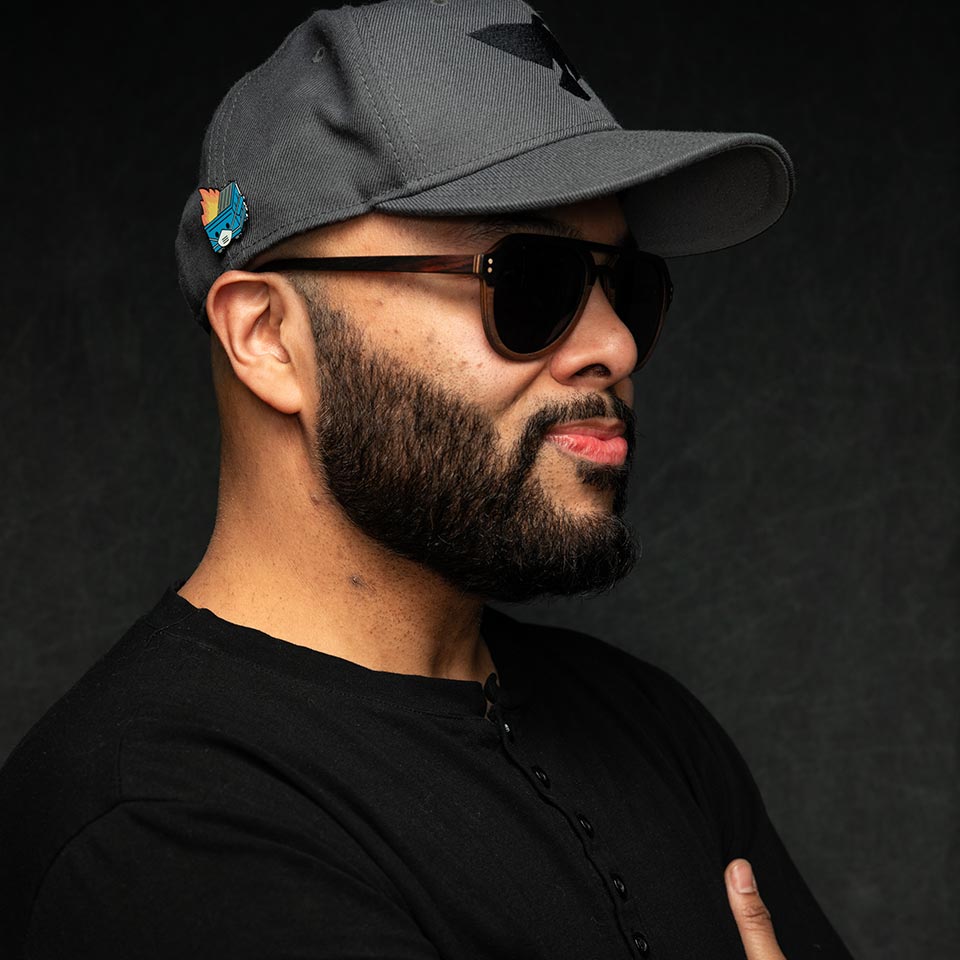
Wasim Khaled
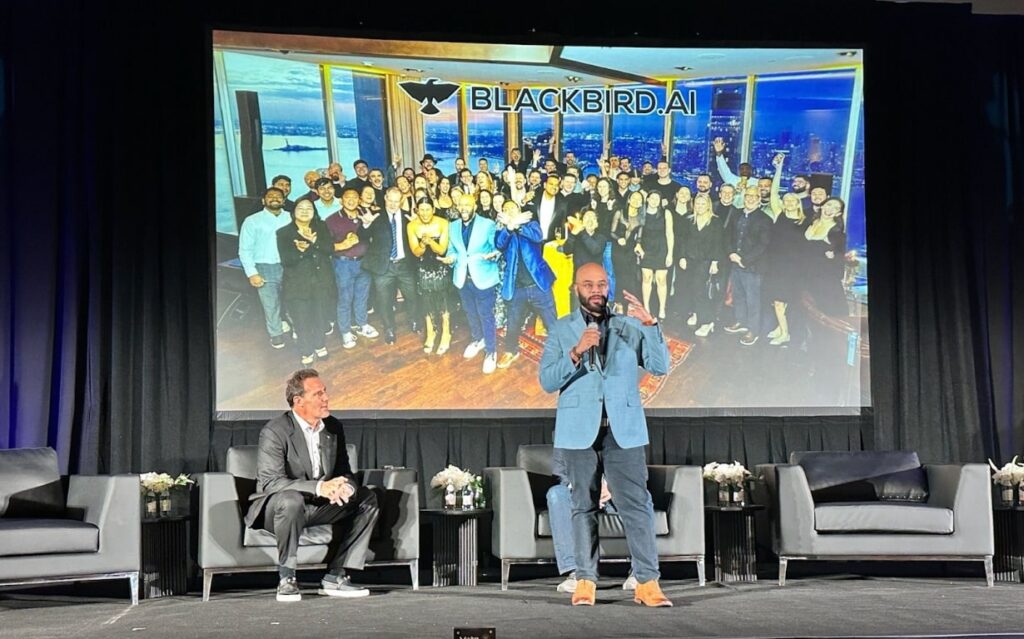
Wasim Khaled is the CEO and Co-Founder of Blackbird.AI, an AI-powered risk and narrative intelligence platform at the forefront of combating disinformation and narrative attacks. A computer scientist by training, Khaled has deep expertise in information operations, computational propaganda, behavioral science, and artificial intelligence, particularly in their applications to defense, cybersecurity, and risk intelligence. He has advised government agencies and Fortune 500 companies on mitigating the risks of escalating information warfare. Khaled is a member of the Social Intelligence Lab and the Weber Shandwick Collective, and his insights have been featured in TechCrunch, WIRED, The New York Times, Bloomberg, Fortune, NPR, and NASDAQ. Before founding Blackbird.AI, he launched LuxMobile, an Inc. 500 Fastest Growing Company in America, and was named the Inc. 500 Asian Entrepreneur of the Year.
Wasim Khaled is the CEO and Co-Founder of Blackbird.AI, an AI-powered risk and narrative intelligence platform at the forefront of combating disinformation and narrative attacks. A computer scientist by training, Khaled has deep expertise in information operations, computational propaganda, behavioral science, and artificial intelligence, particularly in their applications to defense, cybersecurity, and risk intelligence. He has advised government agencies and Fortune 500 companies on mitigating the risks of escalating information warfare. Khaled is a member of the Social Intelligence Lab and the Weber Shandwick Collective, and his insights have been featured in TechCrunch, WIRED, The New York Times, Bloomberg, Fortune, NPR, and NASDAQ. Before founding Blackbird.AI, he launched LuxMobile, an Inc. 500 Fastest Growing Company in America, and was named the Inc. 500 Asian Entrepreneur of the Year.