

Wrapped: Six Key Narratives Shaping Trust in Music and Video Streaming
 Amanda Burkard
Allegations of rigged listening recaps, fraudulent streams, manipulated audience ratings, and misleading AI-generated content are fueling concerns about trust in streaming platforms, alongside growing frustration over subscription costs.
Quick Answers
How can narrative attacks affect streaming platforms and organizations? Coordinated bot activity can artificially amplify isolated complaints about artists, rankings, or platform integrity, turning them into widespread brand crises that demand a corporate response.
How can coordinated amplification affect perceptions of streaming services? Coordinated accounts and bot-like activity can make negative narratives appear more widespread than they are, distorting perceptions of consumer sentiment and increasing reputational risk.
How can communications leaders in the streaming industry manage narrative risk? Communications leaders can manage narrative risk by deploying intelligence tools early to map how narratives spread, distinguishing genuine consumer concerns from coordinated bot amplification, and containing reputational threats before they escalate.
Every December, year-end listening recaps take over social feeds. For a few days, streaming media—music, movies and TV shows, video games—is a shared cultural moment. Listeners post their top artists and shows, and banter over whose taste is better. While many narratives are positive or harmless, some can escalate quickly and cause harm.
Listeners might question whether the artists in their playlists are real people, whether chart positions were earned through authentic streams, and whether the movie trailer they just watched was made by a studio or a stranger using an AI tool. Some skepticism is organic, and some narratives are amplified and manipulated.
The Blackbird.AI RAV3N Narrative Intelligence and Research Team used the Constellation Narrative Intelligence Platform to analyze the narratives surrounding music and film streaming, identifying which narratives gained the most traction, how they spread, and where inauthentic amplification shaped the conversation.
DOWNLOAD: 2026 Data Center Narrative Intelligence Report
By understanding narrative risk, communication leaders can also rapidly identify and respond to emerging organizational and reputational risks.
The following six narratives have gained traction across the streaming industry.
Some narratives contain misleading or false information that can influence consumer perceptions and create reputational risks for streaming services. Narratives often include factual information taken out of context and fused with false information, then amplified by influencers, cyber actors, and agentic artificial intelligence.
Key Narrative #1: Year-end streaming listening recaps are rigged
Year-end listening recaps have become an annual tradition for music fans, but they also attract narratives alleging that streaming services manipulate listening data and artist rankings. During the December 2025 recap season, users of a major music streaming service questioned their results, citing unfamiliar songs, missing artists, and inaccurate play counts.
The service later explained its methodology, including how it collects listening data and calculates rankings. The conversation illustrates how individual complaints can fuel broader narratives about the integrity of streaming data, even without explicit evidence of deliberate manipulation.
For streaming services and platforms, narratives that year-end recaps are inaccurate or manipulated can undermine confidence in the listening data used to personalize the user experience. Even complaints that start as jokes can grow into broader narrative attacks on transparency and trust, affecting brand reputation.
Key Narrative #2: Platforms and bot networks are faking streams to inflate artists’ success and diverting royalties
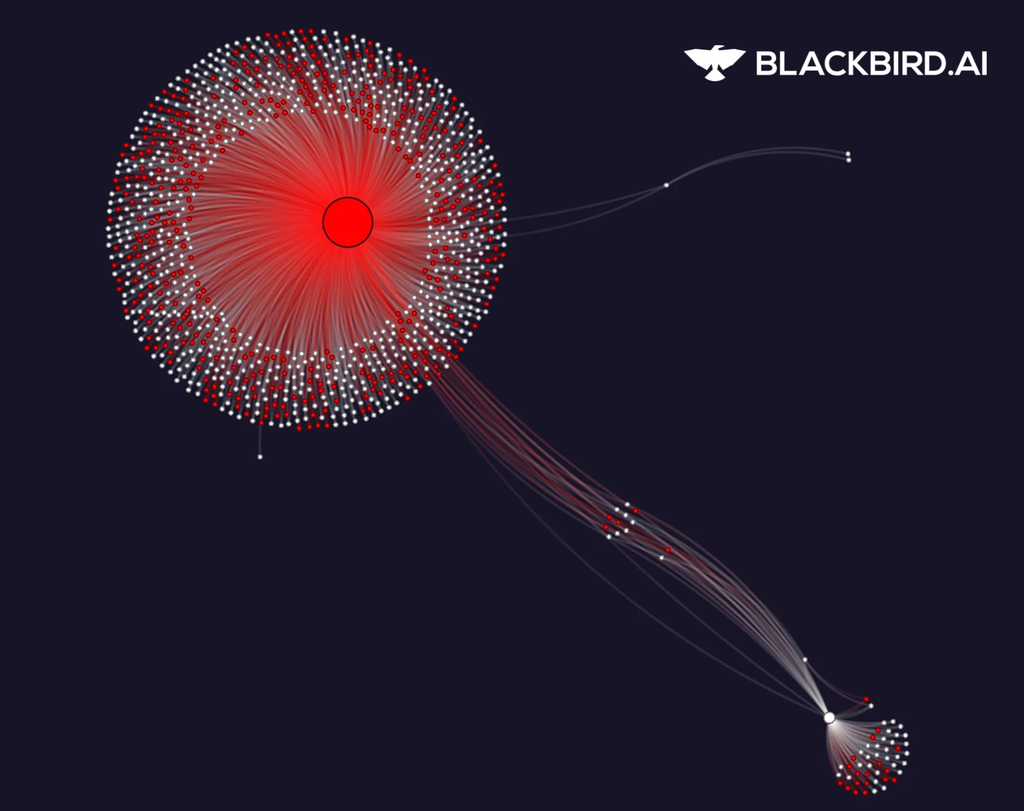
Allegations that streaming numbers are manipulated by automated bot networks have raised questions about whether artists’ popularity reflects genuine listener engagement. A similar long-running narrative claims that leading music streaming services are also faking streaming numbers to inflate artists’ success and divert royalties. The alleged combination of bot networks and platform intervention feeds distrust of streaming metrics and the systems used to compensate artists.
A documented case of bot accounts being used to inflate success is when the U.S. Department of Justice announced the sentencing of a man who used AI-generated songs and bot accounts to collect more than $8 million in fraudulent streaming royalties. Separately, the Financial Times reported that a leading streaming platform removed more than 500,000 artificial streams associated with a popular song amid unusual betting activity.
These real-world incidents can spark narratives accusing streaming services themselves of manipulating play counts and royalty payments. As these narratives spread, fraudulent activity carried out by outside actors can develop into wider distrust of the platforms. For streaming companies, this can undermine confidence in legitimate artist success and the integrity of their services.
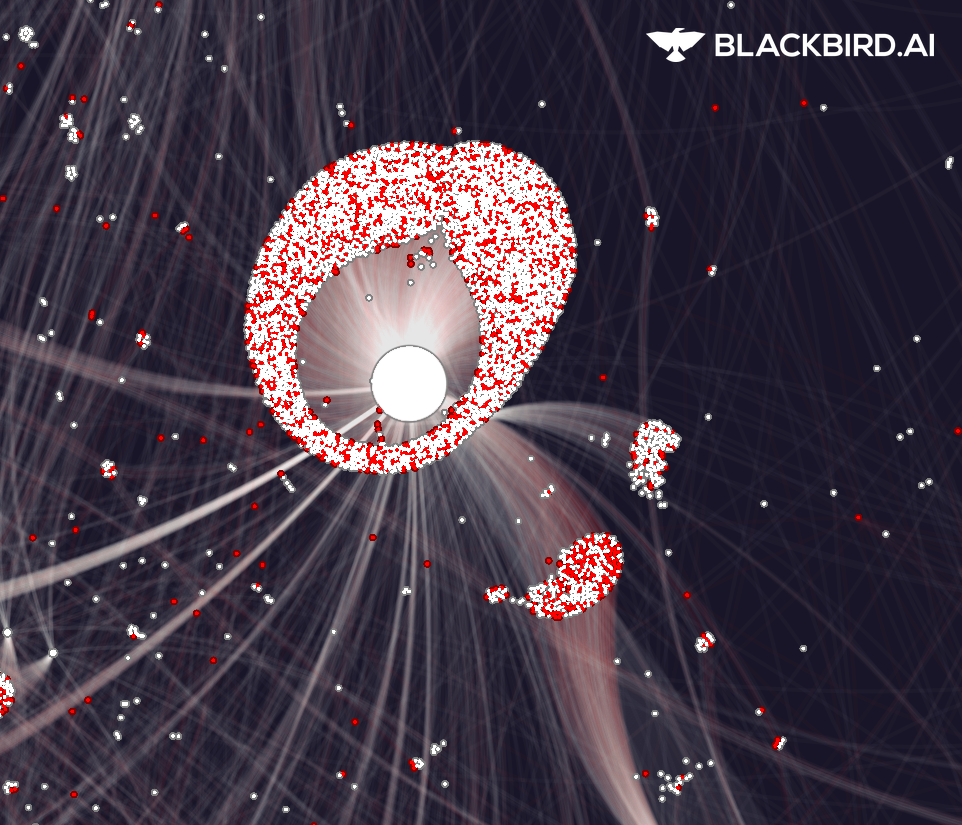
Key Narrative #3: Streaming platforms aren’t doing enough to protect artists from AI impersonation
Unauthorized recordings appearing under established musicians’ names have driven narrative attacks portraying streaming platforms as failing to protect artists from impersonation. Fans discovering unfamiliar releases have questioned how these recordings were approved and whether platforms have adequate safeguards.
These narratives have gained attention as musicians report finding recordings they never created on their streaming profiles. In April 2026, an unauthorized EP appeared under a jazz pianist’s name on a major streaming service. The recording was removed after he reported it, but the incident prompted scrutiny about how streaming services verify releases and whether safeguards are in place. As more musicians report releases they didn’t make, criticism is shifting toward how platforms review and authorize music before publication.
Key Narrative #4: Coordinated review campaigns are manipulating audience ratings
When a major streaming release receives a wave of negative ratings, allegations of “review bombing” can quickly follow. Review bombing refers to concentrated efforts to influence a production’s audience score through large volumes of negative reviews, sometimes involving coordinated groups or automated accounts. These allegations can lead to narrative attacks and debate over whether a show’s reception reflects genuine viewer dissatisfaction or attempts to damage its reputation.
Following the 2022 premiere of Amazon Prime Video’s The Lord of the Rings: The Rings of Power, allegations of review bombing became part of the online narratives surrounding the series. The company used a 72-hour review delay to help identify potentially inauthentic submissions, drawing further attention to how streaming platforms manage audience feedback.
Narrative attacks and allegations of manipulated ratings can raise doubts about the film’s reception and the reliability of audience review scores. As these narratives spread, communications teams may face growing scrutiny over how platforms manage reviews and whether audience reactions are being accurately represented. Identifying whether these narratives are coordinated or manipulated gives streaming platforms insight into whether it represents genuine customer concern or a calculated narrative attack.
Key Narrative #5: AI-generated movie trailers are misleading audiences
AI-generated trailers featuring familiar franchises and recognizable actors have driven online speculation about films and television series that were never officially announced. As these videos spread across social platforms, audiences may mistake manipulated footage for genuine promotional material, leading to false narratives about upcoming releases and casting decisions.
For example, in December 2025, YouTube terminated two channels that had accumulated more than one billion combined views with AI-generated content. One channel created a fictional Squid Game trailer featuring famous actor Leonardo DiCaprio, showing how recognizable streaming titles can make invented announcements seem credible and draw engagement.
For film streaming platforms, these narratives can set false expectations from the public about film productions they never announced and generate criticism over decisions they never made. Understanding how these narratives spread and which accounts amplify them can help communications teams assess their potential impact on audience trust.
Key Narrative #6: Streaming subscriptions are becoming more expensive while consumers receive less value
Rising subscription costs, advertising changes, and shifting content libraries have driven consumer pushback that streaming entertainment is becoming increasingly expensive. According to Deloitte’s 2026 Digital Media Trends research, 73% of surveyed consumers reported frustration with rising entertainment subscription prices. The research also found that 61% would cancel their favorite streaming service if its monthly price increased by $5.
Price complaints are relatable, making them easy for coordinated accounts to amplify. In this case, however, the conversation remained mostly organic, with some bot-like activity present.
The Way Forward: Key Takeaways for Communications Leaders in the Streaming Industry
Communications leaders in the streaming industry can take the following steps to identify emerging narrative attacks and manage their reputational impact:
- Deploy narrative intelligence before a crisis hits: Identify harmful narratives while they are still developing, allowing communications teams to assess emerging risks before they escalate.
- Distinguish organic criticism from coordinated amplification: Bot networks and coordinated accounts can make negative narratives about streaming services appear more widespread than they are. Narrative intelligence helps identify who’s driving these conversations and whether they reflect genuine consumer sentiment.
- Quantify narrative risk as a business metric: Evaluate narrative reach, amplification, and potential reputational consequences to inform communications decisions.
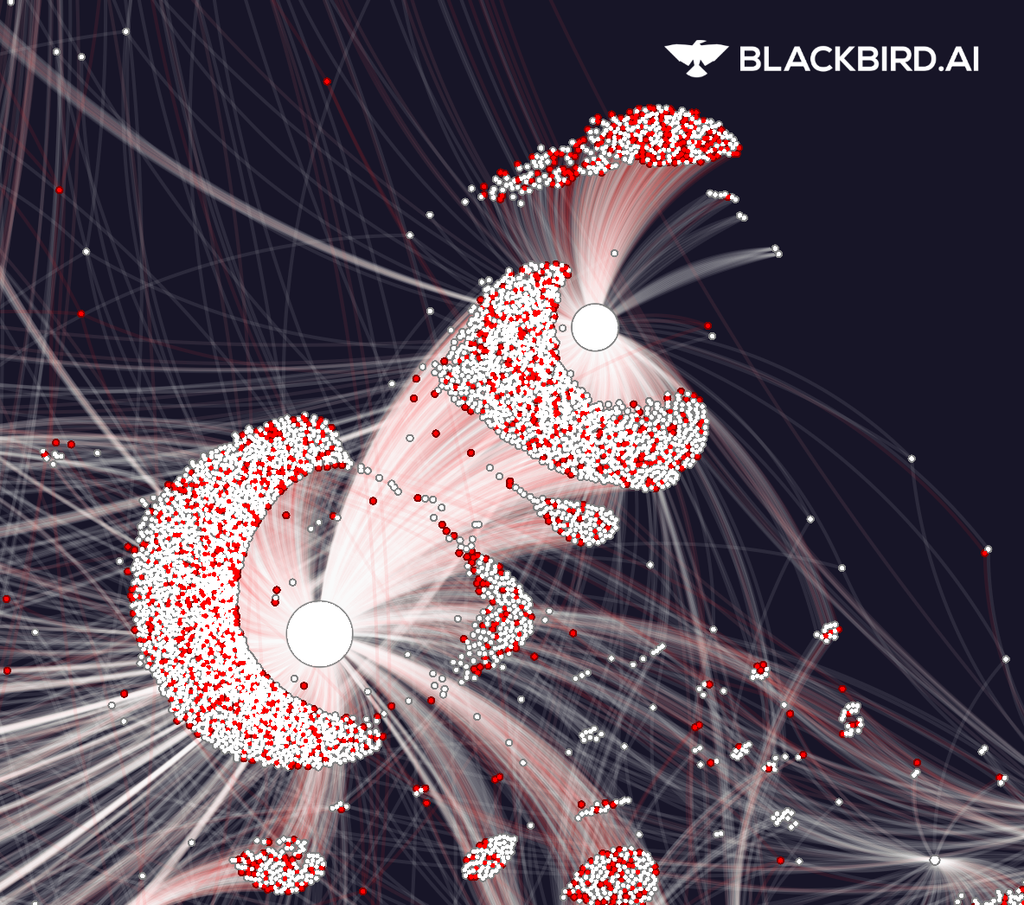
Blackbird.AI’s RAV3N Research found that many narratives around the streaming year-end recap were organic and reflected genuine consumer concerns about streaming services. However, misleading narratives and bot-like amplification were also present. For communications leaders, the challenge is distinguishing legitimate consumer chatter from inauthentic narrative manipulation.
Narrative Intelligence technology gives leaders essential tools to understand and respond to narrative manipulation with confidence.
Amanda Burkard • Marketing Manager
Amanda Burkard is a Marketing Manager at Blackbird.AI, where she supports content development, demand generation, event coordination, and marketing operations. Outside of work, Amanda is an accomplished Irish dancer. She holds a B.A. in Psychology from the University of Virginia.
Amanda Burkard is a Marketing Manager at Blackbird.AI, where she supports content development, demand generation, event coordination, and marketing operations. Outside of work, Amanda is an accomplished Irish dancer. She holds a B.A. in Psychology from the University of Virginia.
About Blackbird.AI

Blackbird.AI is the Narrative Intelligence Detection and Response company protecting executives, organizations, and institutions from narrative-based disinformation attacks that cause financial, operational, reputational, and physical harm. Blackbird.AI’s Constellation Platform identifies the actors, networks, bots, and communities driving them; and turns those signals into early warning, decision intelligence, and coordinated response. Blackbird.AI brings Narrative Intelligence into the workflows where teams already operate, including cybersecurity, communications, legal, executive, and public-sector environments, with agentic response capabilities and MCP-enabled integrations that help organizations act faster. Founded by AI experts, threat intelligence analysts, and national security professionals, Blackbird.AI helps customers defend trust, strengthen resilience, and Own The Narrative. To learn more, visit Blackbird.AI.